
This is Flavor Profile, a series where we look at ingredients that are similar to each other, in some cases even interchangeable.
We’ll talk about how they’re alike, but – more importantly – what makes them distinct.
This is a flavor profile on: mushrooms.
Mushrooms are FUNGI, a category of organisms that are neither animals nor plants, even though you’ll often find them in the produce section of most grocery stores. There are over 2000 varietals of edible mushrooms, but very few are cultivated for mass consumption. The majority you would forage for in the wild.
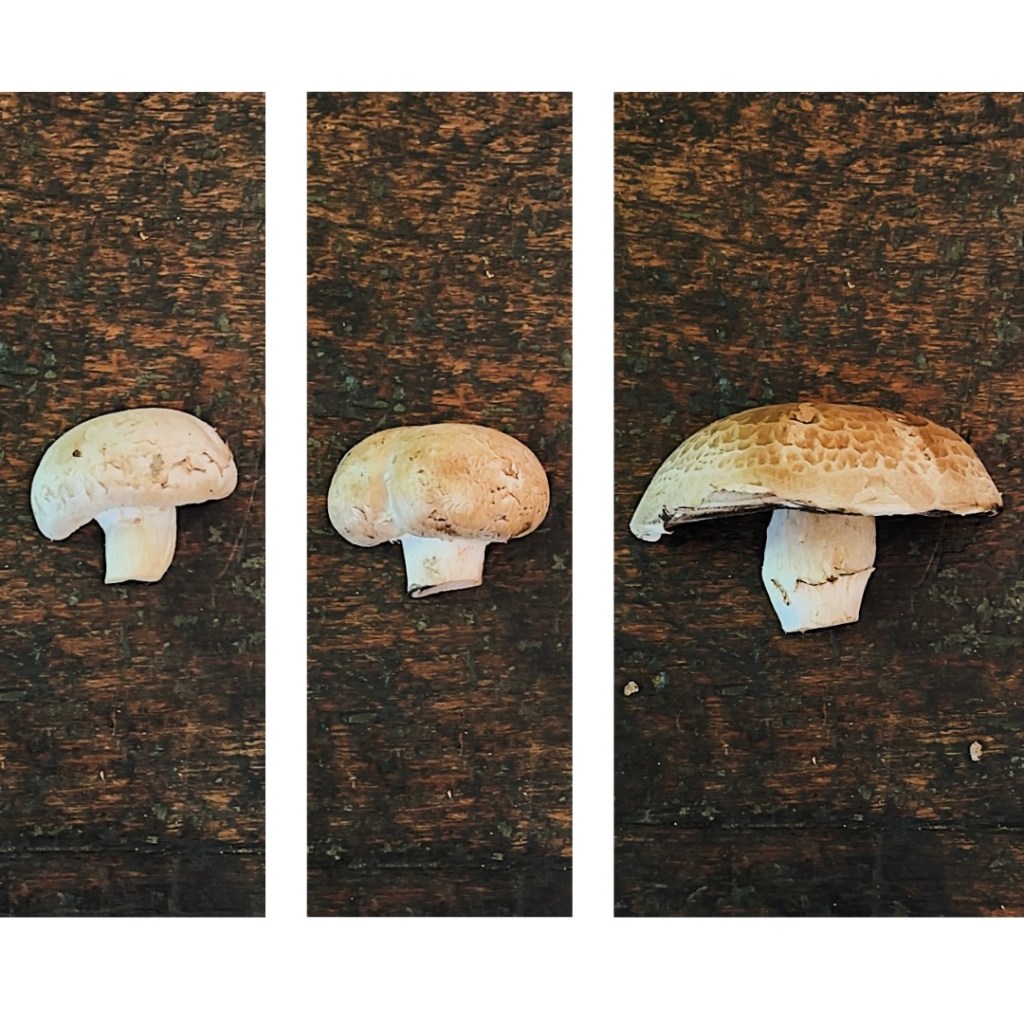
In this flavor profile we’re looking at cultivated mushrooms, the most common varietals you find in the grocery store. These three types of mushroom make up over 90% of what we eat in the US. Today we’re looking at…
- button
- cremini
- portabella
Let’s break it down…
button mushroom
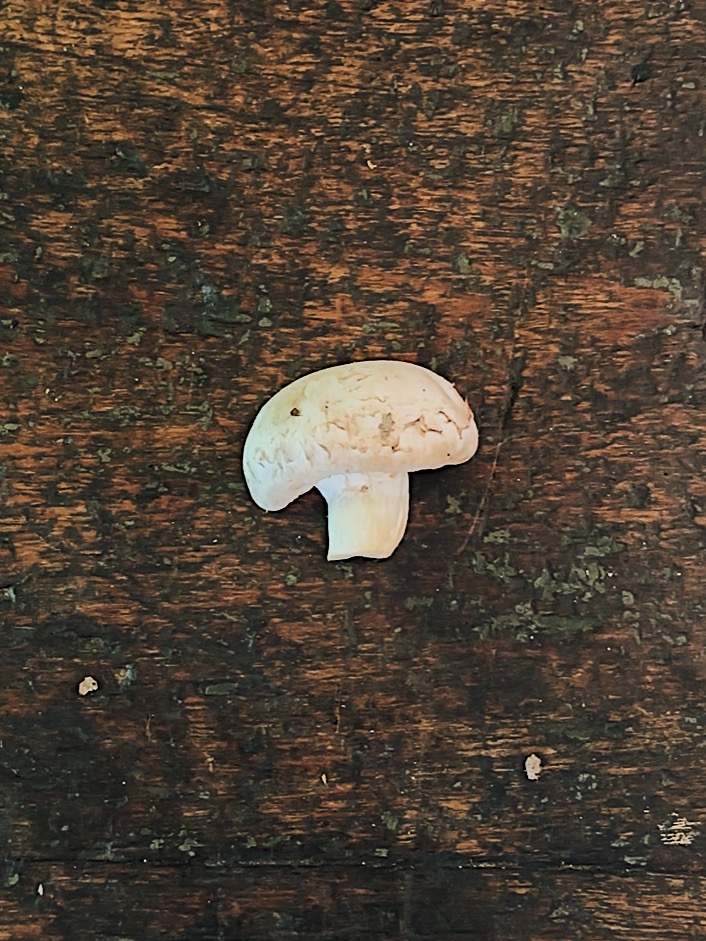
The button mushroom goes by many names: white, common, table, champignon… It is by far the most commonly consumed mushroom in the world. It is an immature mushroom – the gills are entirely covered still. Button mushrooms are entirely white and the smallest of the three we’re discussing today. Button mushrooms can be eaten raw, which is relatively rare among mushroom varietals. When eaten cooked or raw they are very tender and have a mild flavor – in general they’re good at absorbing the flavor of other ingredients.

cremini mushroom
Cremini mushrooms – also known as brown mushrooms or “baby bellas” – are slightly larger than button mushrooms. Despite also being an immature mushroom, they are brown and slightly more “open” than button mushrooms. Like button mushrooms, they can be eaten raw but are more often served cooked since they have a slightly denser, more “meaty” texture. Creminis have a rich, earthy flavor and are – on average – larger than button mushrooms.
portabella mushroom
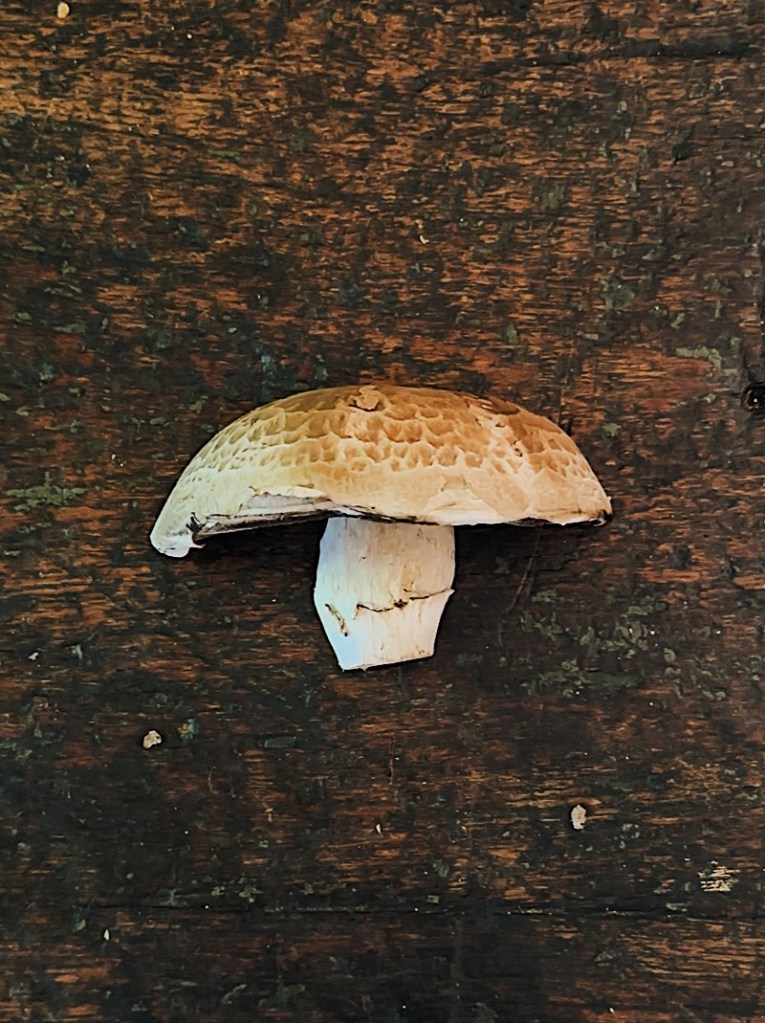
Portabella mushrooms are large, brown mushrooms with caps that can be as wide as your palm. There are multiple accepted spellings/pronunciations of this name, but portabella (two “a”) and portobello are the most common. They are thick and meaty mushrooms, often used as a meat substitute in vegetarian cooking. Due to their dense texture, they’re rarely eaten raw. Portabellas have a rich, earthy, umami flavor and are often used in Italian sauce-making.
Now here’s where I veer off-course from my usual script…
These three mushrooms aren’t actually different mushrooms – they’re the same mushroom picked at different stages of growth: Agaricus Bisporus. Although I will note that the strains bred for button mushrooms are selected to stay white longer than the strains bred to become cremini’s or portabellas.
So all that to say – over 90% of US mushroom consumption isn’t 3 types of mushroom. It’s just one.
So – where are they distinct and where can we swap them out?
If you’re planning to eat mushrooms raw or VERY BRIEFLY cooked – like on top of a pizza – stick with buttons or creminis.
If you’re creating a soup or stew where you want to really taste the mushroom flavor, still with cremini or portabellas. They’ll maintain texture but also impart more flavor than mild button mushrooms.
And if you want mushrooms to be the central star of your meal – go with portabella. They’re meaty and hearty in a way the others aren’t, and worthy of being the central element to a meal.
Do you like educational food content, but prefer a video format? Check out the video form of this blog on our socials…
 Cara Can Cook