
To celebrate Pi Day this week, we hosted a series of pie making workshops. We took a deep dive into types of pie crust, the role of gluten development and fat distribution, the (arguably) best way to make a pie – the galette – and so much more!
While a blog post is a poor substitute for the full experience, here we will go over some of the lessons learned AND provide the recipes we used in class.
All About Pie
A Brief History of Pie
Pies have been a part of human diets worldwide for over 4000 years!
Ancient Egypt grain crusts with fruit and honey fillings
Ancient Greece pastry shell with meat and honey
Ancient Rome inedible “coffin crusts” to preserve meat fillings
Medieval Europe “pyes” were mostly inedible crusts used to hold fillings
Renaissance fruit pies with short, tart crusts
20th Century America tender, edible crusts finally become popular
For much of history pies were a way to transit and preserve foods – the crust meant very little. But in our modern day and age that has all changed! In the US, the word pie is ubiquitous with a sweet filling and tender, flaky crust.
Pies are popular worldwide, with many cuisines featuring their own play on “baked crust plus filling” – from Argentinian empanadas, to Greek spanakopita, to Chinese xian bing.
Our menu, however, is focused on a few American classics – the pot pie, the savory galette, and the southern icebox pie.
All About Crust
Strong v. Tender – the Dough Paradox
The most important part of any dough’s final character is GLUTEN STRUCTURE. Gluten is a protein found in wheat flour, and like tiny hooks can form long, tight chains when folded and manipulated (we call this process kneading).
So is gluten good or bad? Well, it depends!
When you take the time to really work and knead a dough, you great long, strong gluten chains. This gives you a strong dough. Strong dough is able to be braided, thrown, manipulated, and hold its shape. Strong dough is WONDERFUL when you’re making bread, pasta, pizzas… Not great for pies.
On the other end of the spectrum, “underworking” your dough keeps gluten bonds from forming. This means the dough will fall apart easily – almost seeming “crumbly” when you work with it. This is horrible for breads and pizzas, but ideal for cookies and pie crusts.
What does this mean? Work your pie dough as little as possible for a tender crust.
Flaky v. Mealy – the Role of Fat Distribution
Pretty much all crust recipes include some sort of fat and flour. What makes the a difference in the texture is how you distribute that fat.
Large chunks = Flaky Dough
When butter is left in (relatively) large pockets, it melts out while cooking creating air pockets. That makes light, flaky dough.
Fully Distributed = Mealy Dough
If the fat is evenly spread throughout it prevents gluten formation, creating a crumbly dough. These are tender and don’t form a “soggy bottom”
Five Popular Pie Crusts
There are many different recipes / types of pie crusts out there, but there are 5 ones you will see often in American cooking, so we’ll summarize them here.
Short Crust
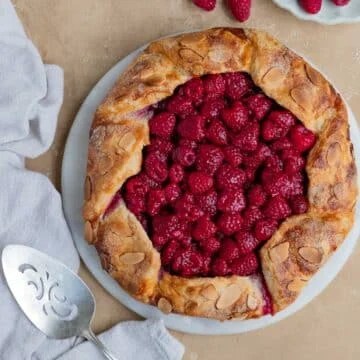
This is the primary crust we made in our workshop (and the kind of crust linked in our recipes below)! In a short crust, you “cut” butter into flour to make a sandy mix, then bind with water. The resulting dough is crumbly, rich, versatile, and easy to make.
I personally use this kind of crust for almost every pie I make. It’s buttery and flaky, but still pretty strong. And with my food processor, I can make it in 5 minutes or less. While they lean savory, you can add a tablespoon or two of sugar to the dough to use it with sweet pies.
Crumb Crust
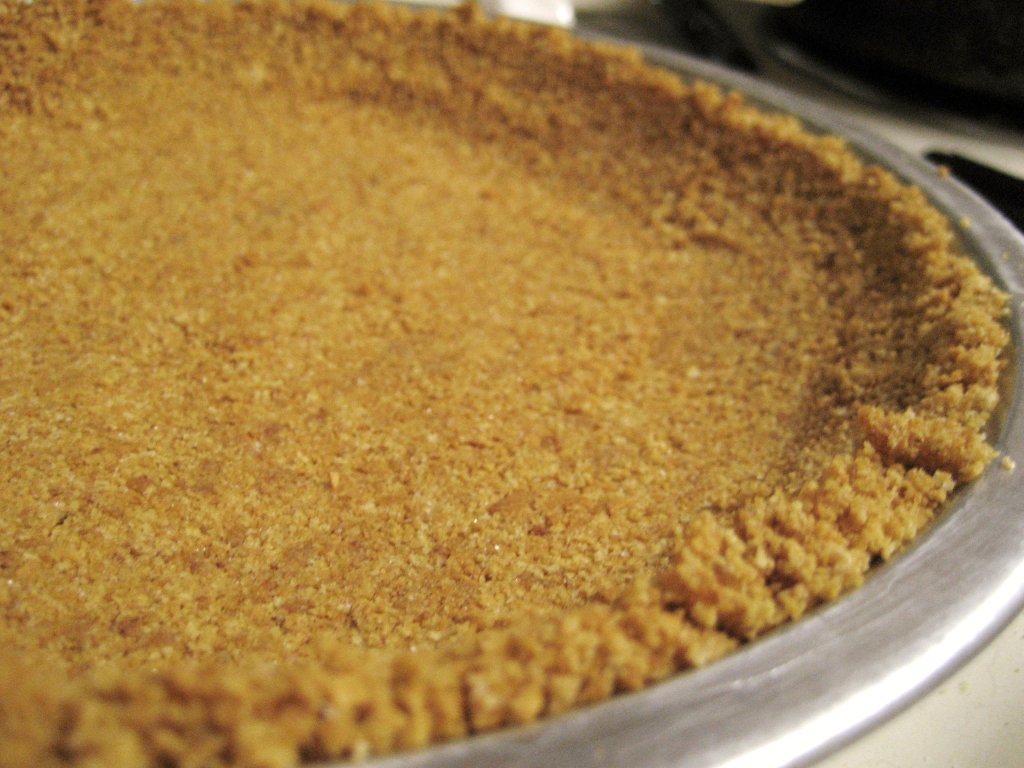
There may be a crust that’s easier to make than a short crust – the crumb crust. It’s made just like you’d think… you mix crumbs (usually of cookies like graham crackers or oreos) with melted butter. That’s it.
Unlike all the other crusts here, you don’t bake crumb crusts. Therefore they are limited to no bake pies (where the melted butter solidifies while chilling, thus “setting” the crust).
Shortbread Crust
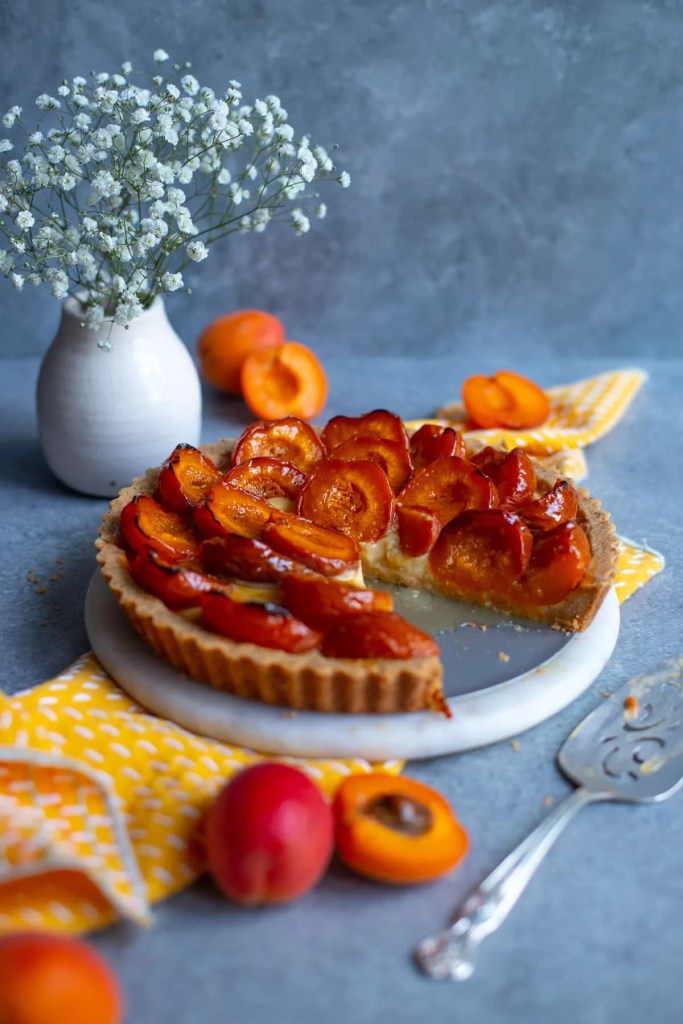
What do you get with you cross a cookie with a pie crust? The shortbread crust! (distinct from the short crust, which we discussed earlier).
Shortbread crusts are just shortbread cookies baked in the shape of a pie crust or tart shell. They’re strong, crunchy, and great with a soft or wet filling like a pastry creme or pudding. I have only ever seen these used on sweet pies.
Puff Pastry Crust
If the last few crusts were easy, this one is definitely NOT.
Puff pastry is made when you layer giant blocks of butter with a simple flour and water dough, then folding it repeatedly to laminate the dough – creating large strips of butter throughout. The result is tender, flaky, fluffy, and decadently buttery crust.
It’s tedious and time-consuming and wonderful – most AVID cooks just buy it frozen at the store.
I use it all the time for savory things – topping pot pies, hand pies, turnovers… But note that it needs space to rise and doesn’t do well being weighed down as a bottom layer in a pie.
Flaky Pastry

Want the butteriness and flakiness of a puff pastry, but some of the strength and versatility of a short crust? Well, here enters the flaky pastry.
Also called “rough puff”, flaky pastry dough is made by grating butter into flour to create a dough with large pockets of butter, but slightly more integrity.
Flaky pastry is often used in latticework pies and can handle being a bottom crust without going too soggy.
The Galette – Sophistication with Minimal Effort
There are many fabulous types of pies out there, but when it comes to “bang for your buck” I can’t imagine anything much better than a galette.
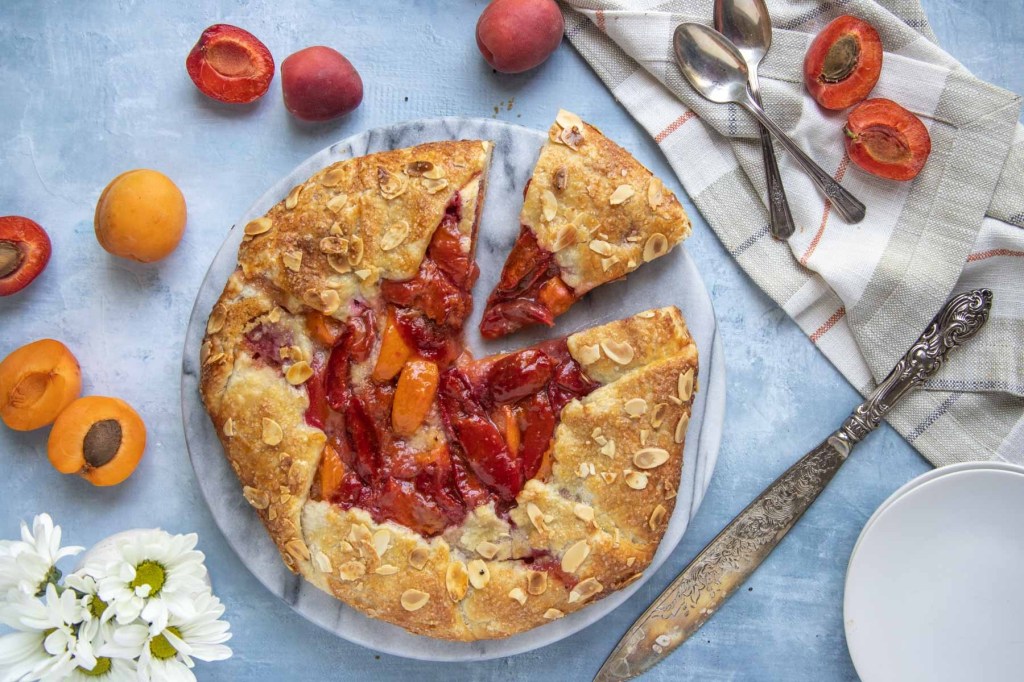
A galette is a round, freeform pie that is baked directly on a baking sheet and filled with sweet or savory items. They have a VERY high crust-to-filling ratio, are easy to make, versatile in size, and just wonderful all-around.
Almost any pie can be made into a galette, with a few warnings…
- Galettes bake quicker than pies – be careful your fillings don’t need a long bake time (raw meats, etc)
- Don’t do too wet of a filling – it can spill out while baking
- Don’t do too dry of a filling – more liquid will evaporate from the flat pie, and you don’t want the final pie to dry out
- Don’t go too big – it will collapse when served if you make too large a galette
In our workshop we made goat cheese and heirloom tomato galettes (my personal favorite – you’ll find all the details on this website) and a caramelized onion and potato galette.
Recipes
If you attended the event and want to cook more pies for yourself (or have FOMO and want to try these out regardless) here are the recipes we used during the workshop.
| Item | Link to Recipe | Notes |
| Pie / Galette Crust | Foolproof Galette Dough | We made a half-batch in class and used a half batch for a single galette |
| Heirloom Tomato and Goat Cheese Galette | a tomato pie | my favorite pie / galette of all time |
| Potato and Onion Galette | Savory Potato and Caramelized Onion Galette | We used the filling recipe but NOT the dough recipe |
| Savory Vegetarian Pot Pie | COMING SOON! | I developed this recipe for the class – I will be blogging about it with details soon! |
| Lemon Icebox Pie | No-Bake Lemon Icebox Pie | One recipe would make 4 of our mini pies |
If you want to attend a workshop too, check out our workshops page for a list of our current offerings!
Hope to cook with you soon!
 Cara Can Cook